Source Tie Clips for Personal Decorations, Gifts, and Collections
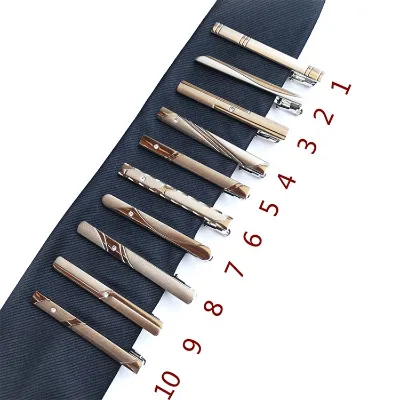
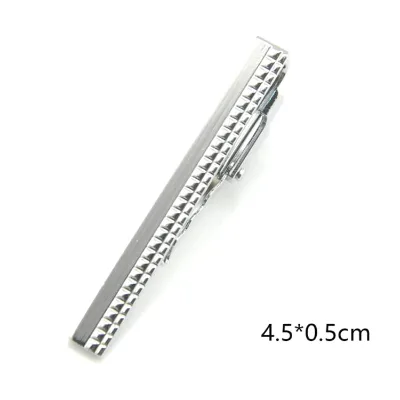
Explore 30 tie clip options crafted from copper, brass, and zinc alloy. Compare styles including antique, creative, and European designs with plating in gold, silver, or nickel. Ideal for personal decorations, promotion gifts, and souvenirs; compare the available evidence and request quotations based on your requirements.
Key considerations
Products List




Comprehensive Sourcing Guide
Tie Clip Sourcing Guide
Tie clips serve as essential accessories for formal attire, functioning primarily to secure the tie to the shirt placket and prevent unwanted movement. These items are categorized under personal decorations, promotion gifts, souvenirs, and commerce gifts, making them versatile for both individual use and corporate branding. The observed market signals indicate a strong emphasis on customization, with suppliers offering OEM and ODM services to meet specific brand requirements. Buyers should recognize that these products are not merely functional but also serve as subtle status symbols or brand ambassadors in professional settings.
The product range includes various styles such as antique, creative, and European & American designs, catering to diverse aesthetic preferences. Materials observed in listings include copper, brass, iron, and alloy, often finished with plating options like gold, silver, or nickel to enhance durability and visual appeal. The processing methods range from semi-manual die stamping to hand-made techniques, allowing for different levels of detail and craftsmanship. Understanding these variations is crucial for selecting the right product that aligns with the intended usage, whether for high-volume promotional campaigns or exclusive collection items.
Product Scope and Observed Listing Signals
The current market landscape for tie clips reveals a wide spectrum of customization capabilities, with nearly all observed listings offering tailored solutions for logos, colors, and designs. Suppliers frequently highlight their ability to produce items in specific colors such as black, silver, and gold, or even custom color codes to match brand identities. The presence of models like XYH-TC002 and SAY-TC001 suggests a standardized yet customizable production framework, where buyers can choose from existing templates or request entirely new designs. This flexibility is particularly valuable for companies seeking unique promotional gifts that stand out in competitive markets.
Packaging options vary from simple OPP bags to more premium gift boxes, reflecting the intended end-use of the product. For instance, items destined for personal decoration or collection may require higher-quality packaging to preserve their aesthetic value, while those intended for mass promotion might prioritize cost-effective solutions. The observed material diversity, including zinc alloy and iron, indicates that suppliers can accommodate different budget constraints and durability requirements. Buyers should carefully evaluate these signals to ensure that the selected product meets both functional needs and brand image expectations.
Technical Specifications to Verify
When evaluating tie clips, buyers must verify key technical specifications such as material composition, plating quality, and dimensional accuracy. The observed use of materials like copper, brass, and alloy requires confirmation of purity and alloy ratios to ensure longevity and resistance to tarnishing. Plating options, including gold, silver, and nickel, should be checked for thickness and adhesion to prevent peeling or discoloration over time. Additionally, the working process, whether die stamping or hand-made, impacts the precision of the final product, so buyers should request samples to assess the finish and structural integrity.
Size and model numbers, such as UNQ-TC-10, provide a baseline for dimensions, but customization often allows for unique sizing. Buyers should specify exact measurements and tolerances to avoid fit issues, especially for items intended for specific garment types. The design aspect, whether 2D or more complex, also influences production feasibility and cost. It is advisable to review technical drawings and prototypes before committing to large orders, ensuring that the design translates effectively into the chosen material and processing method.
Compliance and Safety Documentation
Compliance with international standards is critical for tie clips, particularly those intended for export to regulated markets. While specific certifications like SGS are mentioned, buyers should verify the scope of these certifications to ensure they cover the relevant safety and quality parameters. For products containing metals, compliance with restrictions on hazardous substances, such as lead and cadmium, is essential to protect consumer health and meet legal requirements. Buyers should request test reports from accredited laboratories to confirm that the materials and finishes used in production adhere to these standards.
Documentation should also include information on the manufacturing process and quality control measures implemented by the supplier. This includes details on how plating is applied and tested for durability, as well as procedures for inspecting finished goods for defects. Buyers should ensure that the supplier has a robust quality management system in place, which may include ISO 9001 certification, although this should be verified rather than assumed. Clear communication regarding compliance requirements helps mitigate risks associated with product recalls or regulatory penalties.
Cost Drivers and Commercial Terms
The cost of tie clips is influenced by several factors, including material selection, plating type, and the level of customization required. Premium materials like solid copper or intricate hand-made designs will naturally command higher prices compared to mass-produced alloy items. The observed price range of $0.09 to $5 USD reflects this variability, with lower prices typically associated with simpler designs and higher volumes. Buyers should consider the total cost of ownership, including packaging and shipping, when evaluating quotes from different suppliers.
Minimum Order Quantities (MOQs) also play a significant role in pricing, with observed ranges from 1 to 10,000 units. Higher MOQs often result in lower per-unit costs due to economies of scale, but buyers must balance this with their inventory management capabilities. Payment terms, lead times, and shipping methods are additional commercial considerations that impact the overall procurement strategy. Negotiating favorable terms can help optimize cash flow and ensure timely delivery, especially for time-sensitive promotional campaigns.
Supplier Qualification and Quality Control
Selecting a reliable supplier involves assessing their production capabilities, quality control processes, and track record. Buyers should verify the supplier’s experience in manufacturing tie clips, particularly in the specific materials and styles they require. Requesting references or case studies from previous clients can provide insights into the supplier’s reliability and consistency. Additionally, conducting factory audits or third-party inspections can help identify potential issues with production facilities and quality management systems.
Quality control should be integrated into the procurement process from the outset, with clear specifications and acceptance criteria defined in the contract. Buyers should implement incoming quality checks and consider periodic audits during production to ensure compliance with agreed standards. Establishing a feedback loop for addressing defects or discrepancies helps maintain product quality and supplier accountability. Building a strong relationship with the supplier based on transparency and mutual trust can lead to better collaboration and improved outcomes over time.
Long-Term Procurement Checks
Long-term success in tie clip procurement requires ongoing monitoring of supplier performance and market trends. Buyers should regularly review supplier metrics such as on-time delivery rates, defect rates, and responsiveness to issues. This data-driven approach helps identify areas for improvement and ensures that the supplier continues to meet evolving business needs. Additionally, staying informed about changes in material costs, regulatory requirements, and consumer preferences allows buyers to adapt their sourcing strategies proactively.
Developing a diversified supplier base can mitigate risks associated with single-source dependencies and provide flexibility in responding to market fluctuations. Regularly evaluating alternative suppliers and negotiating competitive terms helps maintain cost efficiency and quality standards. Furthermore, fostering innovation through collaborative design projects can lead to unique products that differentiate the brand in the marketplace. By maintaining a strategic focus on quality, compliance, and supplier relationships, buyers can achieve sustainable procurement outcomes.
FAQs
What materials are used for tie clips?
Tie clips are commonly made from copper, brass, iron, and zinc alloy. Some products also utilize alloy materials to ensure durability. These metals provide a sturdy base for various plating options like gold, silver, or nickel finishes.
Can I customize the tie clip design?
Yes, customization is available for tie clips with options for custom logos and designs. Buyers can request specific styles such as antique or creative designs. The processing methods include die stamping and soft enamel techniques to meet unique requirements.
What is the minimum order quantity for tie clips?
The minimum order quantity varies by supplier but can be as low as 50 pieces. Some listings indicate a range from 1 to 10,000 units depending on the specific product model. Buyers should check individual supplier terms for exact MOQ requirements.
Where are tie clip manufacturers located?
Many tie clip manufacturers are located in Zhongshn, Guangdong, China. Some suppliers also list their origin simply as China. These regions are known for producing various metal accessories suitable for personal decoration and promotional gifts.
How are tie clips packaged for shipment?
Tie clips are typically packaged in OPP bags or individual poly bags. Some suppliers offer gift boxes for premium presentation. The packaging ensures the items remain secure during transit while allowing for easy distribution to customers.
What certifications do tie clip products have?
Some tie clip products meet SGS standards, while others offer customized standard options. Buyers should verify specific certification requirements with the supplier. These standards help ensure quality and safety for promotional gifts and personal decorations.
What styles are available for tie clips?
Available styles include antique, creative, and European American designs. The products are often categorized as personal decorations or souvenirs. Buyers can choose from various colors like black, silver, or gold to match their specific needs.